
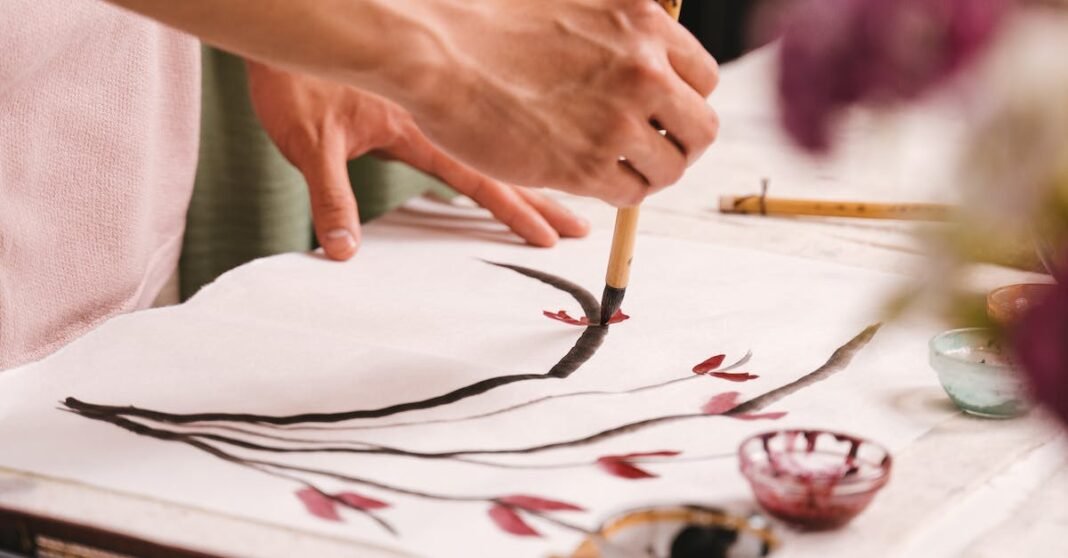


In order to become better at arts and crafts, you need to immerse yourself within the field, networking and reading about different tips you can use for your hobby. The field of arts and crafts is so expansive that you can never learn everything, and it’s up to you to take what you find out and turn it into your own creations. Prepare for some great advice to get you there.
If you are doing crafts with children, prepare for a mess. If that is a source of stress, you can cover your work surface with newspaper or butcher paper to catch the mess. Try using materials that are washable, like certain markers.
To get your kids ready for some fun watercolor time at the kitchen table, put down a layer of newspaper or a plastic tablecloth first. This protects your kitchen table and lets your kids’ creativity go wild, and you’re not stressing out about paint staining the table for years to come.
Dress appropriately for arts and crafts. It’s a dirty process. Wear only shoes and clothes that you can either afford to possibly part with or can be laundered hard. An old pair of blue jeans and a t-shirt you don’t care about are always good choices, especially if there’s painting involved.
If you need supplies for your arts and crafts projects, try the kitchen. You can discover lots of things there. You can use tin foil, empty jars metal cans and anything you can imagine. You could even use things like dried pasta and dried beans as materials.
If you change your mind about your oil painting picture, just paint over it. Oil is a great medium to work with when learning to paint. In fact, the revised edition might be your favorite project yet!
Getting rid of unwanted arts and crafts supplies can both be easy and rewarding. If you’ve found yourself with too many supplies to keep organized, consider donating them to a local school or youth center. You can also create your own gift baskets or arts and crafts kits full of the supplies you no longer need.
Have a phone nearby when doing arts and crafts. Make sure everyone involved knows how to call the local poison control center. Accidents happen, even to adults. The real risks are when kids and chemicals are involved simultaneously. You always hope you never have to make that call, but be ready to do so.
If you are letting your little children use paste, remember to tell them that paste does not go in their mouths. Toddlers like to try everything to see how it tastes, and paste is toxic. Eating it can make your little one sick, and you don’t want that to happen during crafts time.
Looking for a cheap tool to use for your arts and crafts project? Give Q-tips a try. Q-tips can be used for a number of different projects, from building a house to painting. The best part is that a box of Q-tips is significantly cheaper than the other materials you would use.
Have some place to put the pets when arts and crafts are in progress. Cats are very curious and get into everything. Dogs are renown for scarfing down nearly anything dropped from a table. Make sure that your arts and crafts afternoon doesn’t wind up with a trip to the vet, or worse.
Price out what a project will cost before you get into the middle of it. Sometimes an arts and crafts project can take on a mind of its own. What you thought would be a few dollars to make turns into dozens of dollars. Don’t fall into sticker shock. Sit down and map out the costs.
If you’re creating arts and crafts for a sale or a give-away, map out the project you are considering first. When you need to make dozens of the same items, it’s important to understand the costs of each and the time you’ll need to make each one. Otherwise, you could end up with some very late nights and an empty wallet!
To keep your children safe when they are making craft projects, use white school glue and glue sticks rather than rubber cement. While the cement makes a strong adhesive, the fumes that come from the open jar can give little ones headaches and are ultimately toxic. Keep your children safe with a gentler adhesive.
If you have lots of paint that is all dried up, you can try adding a little water to it in order to make it usable again. Place a small amount of water in the bottle and allow it to sit for a while, then shake it and see if it has loosened things up.
After having read this article, you’re surely ready to make your next creation. Think about all the advice that has been explained, and understand how it can affect your hobby in a positive way. You’re supposed to enjoy doing arts and crafts, and the more you know, the more you will have fun.